Guide
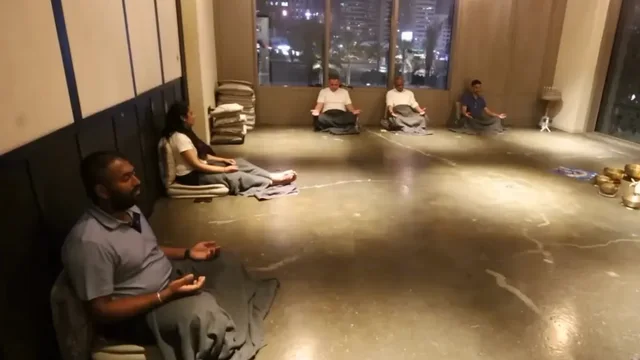
How to Lower Cortisol Naturally
Everyday habits that support a healthier stress rhythm, without supplements, and why testing belongs with a doctor.

Stress and overthinking · Online and in the UAE
Stress management means noticing stress early and giving your mind and body regular ways to come down. Dr. Smitha Prabhakar coaches leaders in it, online or in the UAE.
The 3 AM work thought. The inbox at dinner. A world that changes faster than anyone can plan for.
Most of the people who bring this to Dr. Smitha are not short of strategies. They are short of moments when the alarm inside them is actually off.
This page explains what stress is, why the mind loops, what tends to help, and where to read further.
It is coaching, not therapy: practical support for an anxious, always-on mind, and a clear pointer to a doctor when that is what you need.

“The power is in the pause.”
Recovery is part of the work
Stress and Overthinking
Pick the guide that matches the thought you keep having today.
Each one is short and plain, and written for someone reading it between meetings.
If you would rather talk than read, the coaching card at the end of this list sets out how sessions with Dr. Smitha work.
Guide
Everyday habits that support a healthier stress rhythm, without supplements, and why testing belongs with a doctor.
Guide
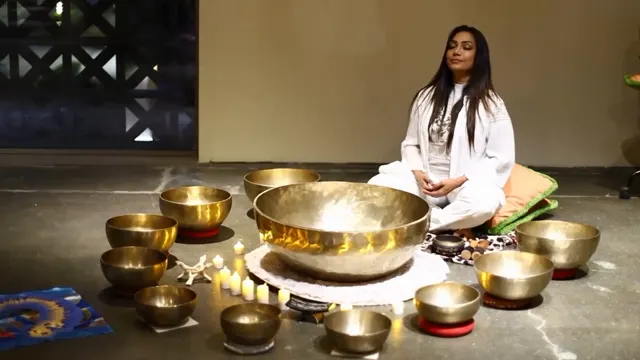
What cortisol does, what can push levels very high, and why a symptom list online is not a diagnosis.

Guide
Why the mind loops, and simple ways to step out of it in the day and at night.
 Stock image
Guide
Calm on the outside, always on underneath, and how successful people cope.
 Stock image
Guide
The physical, mental and behavioural signs of stress that has gone on too long.
 Stock image
Guide
Short, practical techniques that fit a full working day.
 Stock image
Service
Private sessions with Dr. Smitha for a mind that will not slow down, held online or face to face in the UAE. Coaching, not therapy.
 Stock image
Guide
Why an exhausted body can still have a racing mind at bedtime, and what helps it come down.

Guide
Change fatigue, uncertainty and how to stay steady while your industry shifts.
If you have typed "what is stress?" into a search bar at midnight, the short answer is a normal response that has stayed switched on too long.
The World Health Organization defines stress as a state of worry or mental tension caused by a difficult situation (WHO).
It also calls stress a natural human response that prompts us to address challenges and threats.
So stress itself is not a fault. It is part of how people meet a deadline, a hard conversation or a big decision.
WHO adds that a little stress can help us perform daily activities, while too much can cause physical and mental health problems.
Dr. Smitha puts it in one line: a little stress helps; too much, for too long, doesn't.
The trouble starts when the response that was meant for a moment becomes the background of every day.
Not quite, and the answer shapes what helps. The US National Institute of Mental Health describes stress as a response to an external cause, and anxiety as the body's reaction to stress that can continue even when there is no current threat (NIMH).
In daily life the two blur together, which is why many leaders say "stressed" when they mean "I cannot stop worrying".
If worry stays with you most days and gets in the way of work, sleep or relationships, a doctor is the right first person to see.
A simple stress management definition: the set of habits that help you notice stress and recover from it, before it settles in for weeks.
That means routine, sleep, movement, breathing, time with people and, when it helps, coaching or professional support.
It is not one technique, and it is not about never feeling pressure.
Dr. Smitha's view is that most busy people already know the list. What they lack is a way to fit it into a real calendar.
So the work is less about adding a perfect morning routine and more about small, repeated ways to come down during the day.
You don't need an hour. You need a few minutes, often.
Stress shows up in three places: the body, the mind and behaviour.
Among the symptoms the NHS describes (NHS) are these:
WHO adds that stress can make it hard to relax, and can bring trouble sleeping, an upset stomach and changes in appetite (WHO).
Chest pain always needs a doctor first, whatever you think the cause is.
In leaders, Dr. Smitha tends to notice quieter signs before the obvious ones.
Re-reading the same email three times. A shorter fuse by the evening. Shallow breath through back-to-back meetings.
None of these is a diagnosis. Together, they are a signal to pay attention.
When those signs have gone on for weeks, the Chronic Stress & Its Effects guide goes through them one by one, with what they can mean for body and mind.
The NHS says stress is often related to feeling like you are losing control over something, though sometimes there is no obvious cause.
It lists common sources such as pressure at work, relationship difficulties, money problems, illness and big life events, even happy ones like a new home or a wedding.
WHO names unrealistic workloads and an insecure job among the situations in which it is natural to feel stressed.
For the people Dr. Smitha works with, the cause is rarely one crisis. It is a workday with no finish line.
Messages arrive at night. The laptop closes, but the meeting keeps running in the head.
The body stays braced for the next demand, and nothing in the day tells it the demand is over.
Cortisol is the hormone people search for most when they feel stressed.
Cleveland Clinic describes cortisol as a steroid hormone made by the adrenal glands that helps regulate the body's response to stress, and notes that it affects almost every organ and tissue (Cleveland Clinic).
The NHS explains that when you feel anxious or scared, the body releases stress hormones such as adrenaline and cortisol, which can bring a faster heartbeat or sweating.
Cleveland Clinic also notes that most people have lower cortisol in the evening and a peak in the morning just before they wake.
Dr. Smitha's view is simple: cortisol is not the enemy. It helps you wake up and meet pressure.
The problem is when it never gets a break.
Cortisol levels are a medical question. Only a test, read by a doctor, can tell you what your levels are.
Cleveland Clinic says that persistently high cortisol over a long time usually has a medical cause, and lists high doses of corticosteroid medicines and tumours that affect hormone production among them.
So a symptom list on social media is not a diagnosis, and "high cortisol" is not a label to give yourself.
What everyday habits can do is support wellbeing and a calmer daily rhythm. They do not treat a hormone condition.
The How to Lower Cortisol Naturally guide covers sleep, movement and daily recovery in plain terms.
The High Cortisol: Signs & What Causes It guide explains the medical side, and when to ask a doctor for a test.
Thinking is useful. Looping is not.
Overthinking is when the same question goes round without moving towards a decision.
The NHS lists constant worrying and struggling to make decisions among the mental signs of stress, so the two often travel together.
In high performers, Dr. Smitha sees four common reasons:
The aim is not an empty mind. It is a quieter one.
With clients, she starts with three small moves: notice the loop and name it, write the thought down with one next action beside it, and give your attention something else to follow, such as slower breathing or a guided rest.
The How to Stop Overthinking guide sets out more ways to step out of the loop, including a short daily worry window.
Many leaders spend the whole day on alert, then expect to switch off in the ten minutes between the last email and the pillow.
The body is tired. The alarm is still on.
Dr. Smitha's line for this is that the day has to end before the night can begin.
That usually means a clear close to the working day, an hour with lower light and no work, and something gentle for the mind to follow in bed.
Among its sleep tips, the NHS suggests you relax for at least an hour before bed (NHS, insomnia).
The Tired but Wired guide explains why an exhausted body can still have a racing mind, and what tends to help.
If poor sleep goes on for months, see a doctor.
"High-functioning anxiety" is an informal phrase, not a medical diagnosis.
People use it for someone who looks composed and successful, but feels constant worry underneath.
On the outside: capable, prepared, always delivering. On the inside: always on.
Dr. Smitha hears it described in similar ways:
Anxiety disorders are real medical conditions, and they are diagnosed and treated by doctors and psychologists, not coaches.
If worry is affecting your daily life, please see a doctor or a licensed psychologist.
What coaching can offer alongside that is support for an anxious, always-on mind: daily recovery, fewer open loops, and steadier habits before big moments.
The High-Functioning Anxiety guide covers how successful people cope, and when coping is no longer enough.
The most useful answer to "what to do for stress" is to start small and repeat it.
WHO and the NHS give similar advice on coping, and most of it fits into a working day (WHO, NHS).
| What tends to make it worse | What tends to help | |
|---|---|---|
| Your day | No routine, no breaks | A regular routine, with time set aside for yourself |
| Your body and sleep | Little movement, irregular sleep | Regular activity, even walking, and consistent sleep times |
| Your mind and attention | Hours of news and scrolling | Limiting the news, and short breathing breaks |
| Your people | Keeping it all to yourself | Talking to a friend, family member or professional |
| Your load | Trying to do everything at once | Small targets, and planning ahead for hard days |
WHO says regular daily exercise can help to reduce stress, and that this can include walking as well as more intensive exercise.
It also says that spending too much time following the news on television and social media can increase stress.
The NHS suggests setting small targets you can easily achieve, and not focusing on the things you cannot change.
It also advises against using alcohol, cigarettes, gambling or drugs to relieve stress, because they can add to poor mental health.
The NHS describes a calming breathing exercise that takes a few minutes and can be done anywhere, sitting, standing or lying down (NHS, breathing exercises).
It suggests breathing in gently through the nose and out through the mouth, counting steadily, and says you get the most benefit if you do it regularly.
The US National Center for Complementary and Integrative Health describes the relaxation response as the opposite of the stress response, marked by slower breathing and a reduced heart rate (NCCIH).
Dr. Smitha uses short breathing breaks with clients between meetings, after hard calls and before sleep.
She does not promise a number or a result. She asks people to notice how the next hour feels.
The Stress Relief Techniques guide gathers these into a short set you can choose from on a full day.
| Practice | Check with your doctor first if you... |
|---|---|
| Breathwork | are pregnant, have epilepsy, a heart condition, high or low blood pressure, or a panic disorder |
| Exercise | have a heart condition, an injury, or have been inactive for a long time |
Stop any practice that makes you feel dizzy, breathless or unwell.
Dr. Smitha does not treat stress or anxiety. Her role is coaching and wellness consulting, and she is neither a doctor nor a therapist.
What she does is help leaders notice the always-on state early, and practise simple ways to come down from it in a real working week.
The work runs in three steps.
Most people notice stress only when it shouts. The first step is catching the quiet signals: shallow breath, the re-read email, the short fuse.
Naming it turns a vague sense of pressure into something you can work with.
Short practices of breath, body awareness and rest, used between meetings and after difficult calls.
Even three or four minutes lets the body settle a little before the next call lands.
Many busy people are told to relax, and find they cannot do it on command.
Guided deep rest gives the mind something to follow instead. There is nothing to achieve and no blank mind to reach; you simply follow the voice.
For practice at home, clients have The Deep Rest Reset: a 27-minute Full Reset for the evening and a 10-minute Short Reset for a busy afternoon.
Guided deep rest supports rest. It is an addition to sleep, never a substitute, and it is not a treatment for anxiety, stress or a sleep disorder.
Stress & Anxiety Coaching is one-to-one, online wherever you are or in person in the UAE.
Together you look at where the pressure comes from, what can change, and how to build recovery into the week you actually have.
Sessions are fitted around your calendar and travel, with short practices to use between them.
Fees are shared after the free 20-minute call, once you both know what would help.
Coaching conversations are private between you and Dr. Smitha, and you decide what, if anything, is shared with your board or team.

Some of the stress leaders bring now has a new source: the speed of change itself.
A new tool every week. Headlines about which jobs will last. The quiet question, "If AI can do this, what am I for?"
People call this AI anxiety, or change fatigue. Neither is a diagnosis. Both describe a real, common unease about uncertainty.
Dr. Smitha's advice is that you don't have to know everything. You do have to stay steady.
In practice that means learning a little, regularly, on real work, focusing on the skills, relationships and judgement you control, limiting the headlines, and keeping daily recovery in place.
That last point matters because WHO notes that following the news for long stretches can add to stress.
The AI Anxiety & the Future of Work guide covers change fatigue and how to deal with uncertainty at work in more depth.
Stress is not only a personal matter. The way a job is designed adds to it or eases it.
According to WHO, risks to mental health at work include too much work, little say over it, and long, unsocial or inflexible hours (WHO, mental health at work).
So alongside individuals, Dr. Smitha runs corporate wellness work for organisations, ranging from guided rest sessions and masterclasses to workshops and longer programmes, for leadership teams and staff alike.
Serving Dubai Police officers have taken part in her Mindful Leadership and Stress Management programmes.
Ford's distributor network has hosted her emotional resilience and stress-mastery workshops.
Each company receives its own proposal and price.
When a company pays, any team-level feedback is anonymised and never identifies individuals without their consent.
Stress is the feeling of carrying too much. Burnout is closer to having nothing left to carry it with.
In WHO's ICD-11 wording, burnout stems from chronic workplace stress that was never successfully managed, and shows as exhaustion, mental distance from the job and lower professional efficacy (WHO, burnout).
A useful check: when you get a few days off, does the pressure ease, or does the heaviness come back within days?
If rest has stopped refilling you, and you feel more distant from work you used to care about, the burnout recovery guides are the better place to read next.
Dr. Smitha Prabhakar brings 20+ years of building, leading and delivering in the UAE; the Executive Coaching page tells that story.
In the UAE, start with a doctor if stress comes with physical symptoms, low mood most days or trouble functioning, and add a coach for the daily habits.
WHO advises that people who have difficulty coping with stress seek help from a trusted health-care provider or another trusted person in their community.
Your doctor can look for a physical reason behind the symptoms and, where needed, send you on to a psychologist or psychiatrist.
Anxiety disorders, depression and other mental health conditions are assessed and treated by licensed psychologists and psychiatrists.
Coaching covers other ground. With Dr. Smitha, that means noticing stress early, short resets in the day, guided deep rest and a calmer end to the working day.
Plenty of clients have both: medical advice for peace of mind, and coaching for the habits of the week.
Before you pick a stress coach, ask these four questions:
Sessions with Dr. Smitha run online from any country, or face to face in the UAE.
Coaching is built for people who are getting through their days but want a steadier way to carry the pressure. For some, a doctor should come first.
WHO notes that stressful situations can cause or worsen mental health conditions, most commonly anxiety and depression, which need health care.
Please see a doctor or psychologist straight away if your mood is low on most days, you are struggling to get through the day, or you have thoughts of hurting yourself.
If you have chest pain, a racing heart that worries you, or symptoms that do not ease, see a doctor to rule out other causes.
If you take any medication, talk to your doctor before changing it.
For immediate danger in the UAE, the numbers are 999 (police) and 998 (ambulance).
If Dr. Smitha believes a clinician would serve you better than a coach, she will tell you so plainly.
WHO defines stress as a state of worry or mental tension caused by a difficult situation.
It is a natural response that helps you meet challenges. It becomes a problem when it is constant and you rarely get to come down.
Start small. Take two minutes of slow breathing, go for a short walk, and give the working day a clear end.
Then look at the cause: what you can change, what you can hand over, and what you can plan for. If stress is affecting daily life, see a doctor.
Keep a daily routine, sleep at regular times, move every day, take short breathing breaks, limit the news and talk to someone you trust.
Avoid relying on alcohol or cigarettes to get through it. If coping feels out of reach, a doctor or a coach can help you plan the next step.
Stress management is the set of habits that help you notice stress early and recover from it: routine, sleep, movement, breathing, connection and, when it helps, coaching or professional support.
It is less about one big break and more about small, repeated ways to come down during the day.
Lighten the load where you can, build short recovery into each day, protect your sleep and make time for people.
Small steps repeated daily tend to help more than one long holiday. If a few weeks of genuine change bring no relief, book an appointment with a doctor.
If you are in crisis in the UAE, call 999 for the police or 998 for an ambulance.
Dr. Smitha is a coach and wellness consultant, not a therapist or medical doctor, so her work is coaching, not therapy.
Contact
If your mind rarely switches off, a short, private conversation with Dr. Smitha is a calm first step. You are under no obligation, and fees come up only once the right support is clear.