Healing Therapies
All of Dr. Smitha's healing therapies, and how to choose between them.
Healing therapies · In the UAE
If you are looking for reiki certification in the UAE, Dr. Smitha Prabhakar teaches reiki courses for people who want to practise on themselves first, then on others.
Her starting point is simple: learn a calm practice you can use every day.
The course sits within her healing therapies, which she offers for relaxation and wellbeing, never as medical treatment.
Course content, levels, dates, fees and the certificate you receive are all confirmed when you enquire.

“The power is in the pause.”
Clear decisions start with a calm mind
A reiki course teaches you to give reiki: resting your hands lightly on a person, or just above them, while they lie still.
The US National Center for Complementary and Integrative Health describes reiki in exactly those terms, as hands placed lightly on or just above a person (NCCIH).
Reiki classes are usually small and practical. Most of the learning happens with your hands, not from a book.
If you have never had a session yourself, it helps to try one first. The reiki healing page explains what a session with Dr. Smitha feels like.
Reiki training is traditionally taught in stages, with each stage building on the one before.
| Stage | What the stage traditionally covers |
|---|---|
| Level 1 | Reiki for yourself: self-practice and the basics |
| Level 2 | Giving reiki to other people |
| Master level | Deepening your own practice and, traditionally, learning to teach |
Different teachers and lineages name and split the levels in slightly different ways. Always ask what a particular course covers.
In reiki, "master" traditionally means someone who has completed the final level and may teach others.
It is a teaching level within reiki, not a health qualification of any kind.
If a course you are considering leads to a reiki master certificate, ask who awards it and what practice is expected before you reach it.
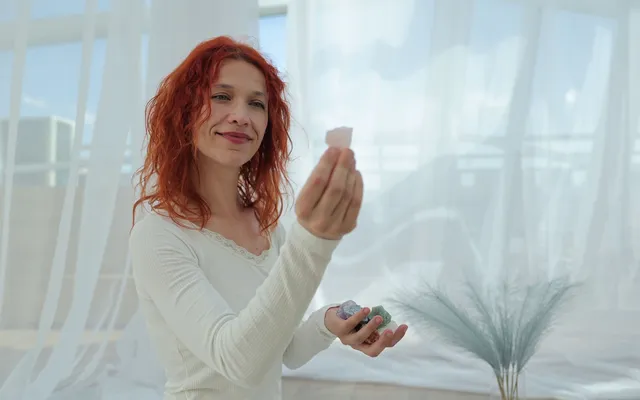
A reiki certificate shows that you completed a course with a particular teacher, at a particular level.
That is all it shows. It is not a medical qualification, and it is no licence to give anyone health advice.
Dr. Smitha's view is clear. Reiki is a relaxation and wellbeing practice, and nobody should offer it in place of a doctor's care.
Most people who join a reiki course want to help someone else: a parent, a partner, a friend who is struggling.
Dr. Smitha always starts with their own rest. A practice you use on yourself every day is the one you understand well enough to share.
That is why the first level is about you: self-practice and the basics, before anyone else is involved.
Only then does the course turn to practising on others.
Many of the people she teaches are tired but still wired, and her aim is for reiki to become a quiet daily habit. If rest is the main thing you are after, her deep rest guides are worth reading alongside the course.
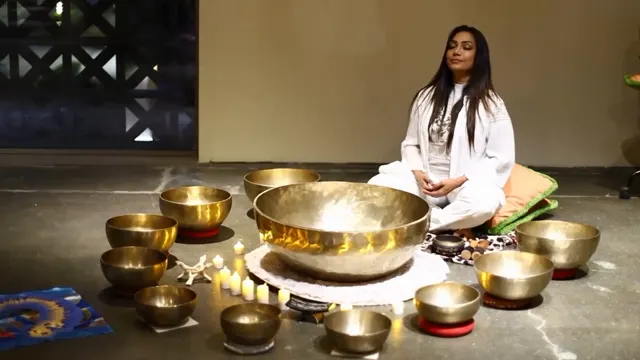
Each level is usually a short course, followed by time to practise before you move on.
That gap matters. It gives you time to use what you have learned, on yourself and then on others, before you add anything new.
Dates and the timing of each level of Dr. Smitha's course are shared when you enquire.
Dr. Smitha teaches reiki courses in person, with hands-on practice in the group.
Learning in a room has real advantages. You can feel where your hands are, ask questions as they come up and practise on fellow students straight away.
If you live outside the UAE or cannot attend in person, ask her whether an online option is available for the level you want.
Whoever you learn with, these questions help you compare courses fairly.
Dr. Smitha answers each of these for her own courses when you get in touch.
Reiki is gentle, and the NCCIH says it has not been shown to have any harmful effects (NCCIH).
It has not been clearly shown to work for any health purpose either, and the NCCIH notes that most studies are low in quality (NCCIH).
So the main risk is the one Cleveland Clinic points out: using reiki instead of medical care someone needs (Cleveland Clinic).
When you practise on family or friends, keep it simple and honest:
A reiki course is a way to learn a relaxing practice. It is not the place to bring a new or worrying symptom.
If you, or someone you practise on, has pain, numbness, fainting or exhaustion that will not lift, a doctor comes first.
If you feel low most days or feel unable to cope, speak to a doctor or psychologist.
If you are in immediate danger in the UAE, call 999 for the police or 998 for an ambulance.
Each level is usually a short course, with time to practise before the next one.
The dates and timing of Dr. Smitha's courses are shared when you enquire.
Reiki is traditionally taught in levels. Level 1 is reiki for yourself, Level 2 is giving reiki to others, and the master level deepens the practice and, traditionally, prepares you to teach.
Teachers split the levels in slightly different ways, so ask what each course covers.
Dr. Smitha teaches reiki in person, because hands-on practice in the group is a large part of learning it.
If you cannot attend in person, ask her whether an online option is available for your level.
All of Dr. Smitha's healing therapies, and how to choose between them.
What a reiki session with Dr. Smitha involves, and what the research says.
Another practice you can learn and use by yourself.
Guided, focused relaxation to work on a habit or pattern.
If you are in crisis in the UAE, call 999 for the police or 998 for an ambulance.
Dr. Smitha is a coach and wellness consultant, not a therapist or medical doctor, so her work is coaching, not therapy.
Contact
To hear about the next reiki course, or to check whether it is the right step for you, send Dr. Smitha a short message.