Corporate Wellness
Every programme Dr. Smitha runs for leaders, teams and employees in the UAE.
Corporate wellness · In the UAE and online
For Dr. Smitha Prabhakar, workplace wellness works best as small, regular habits inside the working day, and many of the ideas that help most cost little or nothing.
Most waking hours are spent at work, so that is where wellbeing has to live too.
This guide is part of her Corporate Wellness pages, written for HR leads, managers and founders who want ideas they can start next week.

“The power is in the pause.”
Clear decisions start with a calm mind
The ideas that last are the ones built into how the day already runs, not the ones that need a special event.
Dr. Smitha groups them into four kinds: breaks, movement, boundaries and connection.
A meta-analysis of 22 study samples found that short micro-breaks gave a small lift in vigour and a small drop in fatigue, though not a clear gain in overall performance (Albulescu and colleagues, 2022).
The NHS advises cutting down long spells of sitting, and notes that hitting weekly exercise targets does not cancel out the rest of the day spent seated (NHS).
For many people the working day never ends because the phone never lets it finish, and this is the area Dr. Smitha sees making the most difference for leaders.
A meta-analysis found that doing work in non-work time goes with less mental detachment from the job (Wendsche and Lohmann-Haislah, 2017).
| Idea | Cost | Who leads it |
|---|---|---|
| Two-minute pause before meetings | Free | Whoever chairs the meeting |
| Walking one-to-ones | Free | Managers |
| Lunch away from desks | Free | Leaders going first |
| A quiet room | Low: one room and a sign | Office or facilities team |
| After-hours email rule | Free | Leadership team |
| Quarterly anonymous check-in | Free or low | HR |
| Guided rest or a wellbeing session | Priced per proposal | An outside facilitator |
Because work shapes much of how people feel, and the conditions at work can protect or wear down their wellbeing.
The World Health Organization says decent work supports good mental health, while excessive workloads, low job control and job insecurity put it at risk (WHO).
Wellbeing in the workplace also matters for a simpler reason: people matter, and they notice whether their employer acts as if they do.
Dr. Smitha's experience is that people who can recover during the week tend to think more clearly, work better together and stay longer, though no idea on this page promises a result.
Most wellness programs in the workplace fail quietly: a launch email, one busy week, then nothing.
What Dr. Smitha sees working is the opposite.
Low-cost ideas go a long way, but some teams need more structure.
Signs it may be time for formal workplace wellness programs include strain showing up across a whole department, a hard season such as a restructure, or leaders who are running on empty themselves.
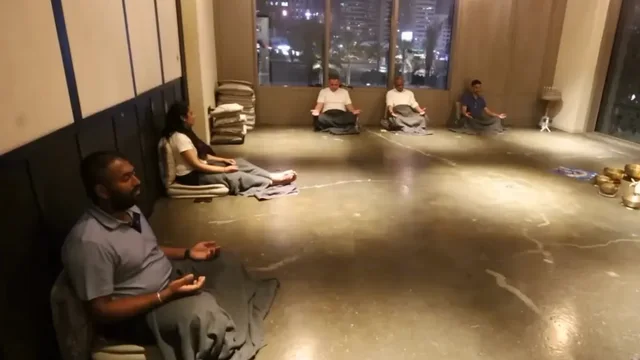
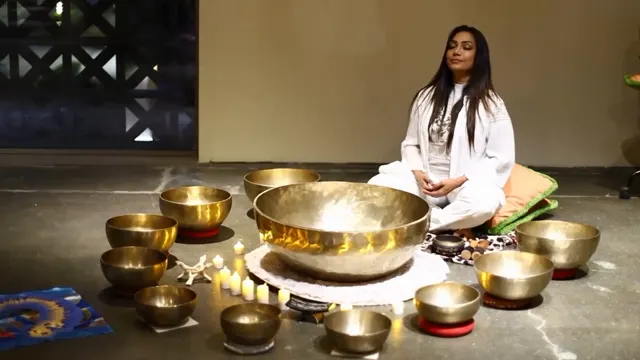
Dr. Smitha runs guided rest sessions, masterclasses, workshops and wellbeing days on site at your office, outdoors or online across the UAE, priced per proposal.
The employee wellbeing programmes page sets out what a full programme can include, and corporate wellness workshops covers single sessions.
For a single employee who is struggling, the stress management guides are a gentler place to start.
Some ideas here involve movement or slowing the breath, which suit most people but not everyone.
| Practice | Check with your doctor first if you... |
|---|---|
| Breathwork | are pregnant, have epilepsy, a heart condition, high or low blood pressure, or a panic disorder |
| Exercise | have a heart condition, an injury, or have been inactive for a long time |
Every idea should be optional, and no one should be singled out for joining or not.
Wellness in the workplace supports people, but it is not medical care and it does not replace a doctor.
If someone is low most days, struggling to cope at work or at home, or has physical symptoms that worry them, they should see a doctor.
A psychologist or psychiatrist is the right person to assess a mental health condition, and your employee assistance or health services may be the first port of call.
If anyone is thinking about harming themselves, call 999 for the police or 998 for an ambulance in the UAE.
If people seem to be heading towards exhaustion, the employee burnout prevention page explains the earlier steps a company can take.
Work takes up much of the week, and its conditions can support or erode how people feel.
WHO links decent work with good mental health and names heavy workloads and low control as risks, so the way a workplace runs matters.
Have leaders model it, build short practices into ordinary meetings, ask people what would help and keep one or two ideas going all year.
Promotion works best when it changes how the day runs, not just what is on the noticeboard.
A two-minute pause before meetings, walking one-to-ones, real lunch breaks, a quiet room, an after-hours email rule and a regular guided rest or wellbeing session.
Choose two or three that fit your team and keep them, rather than trying everything at once.
Walking meetings, protected lunch breaks, a quiet room, a pause at the start of meetings and leaders who leave on time all cost little or nothing.
The main cost is attention: someone has to keep them going.
Every programme Dr. Smitha runs for leaders, teams and employees in the UAE.
What a full programme includes and how to measure it.
A year of wellbeing moments for your team.
Practical ways to ease pressure in a demanding job.
If you are in crisis in the UAE, call 999 for the police or 998 for an ambulance.
Dr. Smitha is a coach and wellness consultant, not a therapist or medical doctor, so her work is coaching, not therapy.
Contact
If you want help choosing the right ideas for your team, or a session to start things off, tell Dr. Smitha about your workplace.