
Guide
How to Regulate Your Nervous System
Simple everyday ways to come down from high alert, including what to do when you need calm quickly.

Nervous system regulation · Online and in the UAE
Nervous system regulation is your ability to shift from high alert back to calm. Dr. Smitha Prabhakar coaches leaders to make that shift, online or in the UAE.
Wired at night, tired in the morning, never fully off. That is how many of the people she works with describe their week.
Most of them do not need more willpower. They need a reliable way to come down once the pressure has passed.
This page explains how your nervous system works in plain words, what being stuck on alert can feel like, and the small daily practices that help you settle.
It is coaching, not therapy: support for an anxious, always-on mind, alongside your doctor when you need one.

“The power is in the pause.”
Recovery is part of the work
Nervous System Regulation
Pick the guide that matches the question you have today.
Start with how to regulate, then go deeper into the vagus nerve, the body and your HRV number.
Every guide is short, honest about what the evidence shows, and written for people with a full calendar.
Guide
Simple everyday ways to come down from high alert, including what to do when you need calm quickly.
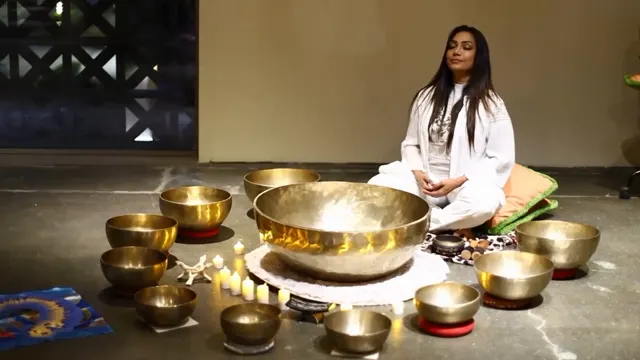
Guide
How to settle after a hard day, and why a "reset" is really a habit you repeat.

Guide
What a vagus nerve reset really means, and the gentle practices worth trying.
 Stock image
Guide
What this long, wandering nerve is and what it does for your heart and digestion.
 Stock image
Guide
Slow, body-based practices for tension you carry in your shoulders, jaw and chest, and how to start gently.
 Stock image
Guide
What heart rate variability means, why a good number is personal, and how to read the score on your watch.
Nervous system regulation means moving between alert and rest as the moment needs, rather than staying stuck in fight-or-flight after the stress is over.
Dr. Smitha explains it as two gears.
Being alert is not the problem. You need that gear.
The trouble starts when the day never really ends, so the alert gear never gets the signal to switch off.
The word "regulation" is popular online, and it is used loosely. It is not a medical diagnosis, and nobody can measure it with a single number.
What it describes is real, though: your body has a stress response and a relaxation response, and practice can make it easier to reach the second one.
Your nervous system is your body's command centre. It is made up of your brain, your spinal cord and the nerves that run through the rest of your body (Cleveland Clinic, nervous system).
It works by sending electrical signals through nerve cells called neurons, between your brain and your skin, organs, glands and muscles.
Those messages help you move, feel, breathe and think. They also let your nervous system track what is happening inside and outside your body and decide how to respond.
Cleveland Clinic describes two main parts.
The peripheral system has two parts of its own. The somatic nervous system guides the movements you choose to make. The autonomic nervous system runs the things you do without thinking.
The autonomic nervous system controls processes such as breathing and your heartbeat, and it stays active even while you sleep (Cleveland Clinic, autonomic nervous system).
It has three divisions:
When people talk about nervous system regulation, they usually mean the balance between the first two: the alert gear and the rest gear.
Many people describe it as tired but wired: a racing mind, trouble switching off at night, a short fuse and staying keyed up long after the stressful moment has passed.
"Dysregulated" is an everyday word here, not a diagnosis. These experiences have many possible causes, and a doctor should check anything that is new, strong or lasting.
This is how Dr. Smitha describes the difference in the people she sees:
| Stuck on alert | Moving between gears | |
|---|---|---|
| Evenings | Wired, scrolling, cannot switch off | Able to wind down |
| At 3 AM | The work thought arrives and stays | Easier to drift back off |
| Under pressure | Short fuse, racing mind | Clear enough to choose a response |
| After a hard moment | Keyed up for hours | Settles again sooner |
| The breath | Shallow, high in the chest | Slower, lower and easier |
The NHS lists common signs of stress as feeling overwhelmed, constantly worrying, difficulty concentrating, being irritable and snappy, and sleeping too much or too little (NHS, stress).
Many of those overlap with what people mean by being stuck on alert.
Body signs such as a faster heartbeat, dizziness, chest pain or fainting always need a doctor, not a breathing exercise.
Give your body regular chances to shift into its rest gear: a slower out-breath, a short guided rest, movement, a clear end to the working day and steady sleep.
Small and repeated works better than one big break. Here is how Dr. Smitha breaks it down.
Shallow breath, a clenched jaw, re-reading the same email. Catching the alert state early is half the work.
Breathe in gently through your nose and let the out-breath be a little longer than the in-breath.
The NHS describes a calming breathing exercise for stress that takes a few minutes, and says you get the most benefit when you do it regularly (NHS, breathing exercises for stress).
A systematic review of 15 studies in healthy people found slow breathing, under 10 breaths a minute, was linked with higher heart rate variability and with feeling more relaxed (Zaccaro and colleagues, 2018).
Ten minutes in the middle of the day, not only at the weekend.
The US National Center for Complementary and Integrative Health describes relaxation techniques as practices that bring on the body's relaxation response, the opposite of the stress response, marked by slower breathing and a slower heart rate (NCCIH).
A walk, a stretch or a workout after a tense meeting.
The World Health Organization says regular physical activity reduces symptoms of depression and anxiety in adults and can improve sleep (WHO, physical activity).
The laptop shut, a short reset, then the evening. Without a clear end, work leaks into the hours that are meant for recovery.
The How to Regulate Your Nervous System guide has a two-minute version for when you need calm quickly.
For the evening after a hard day, How to Calm and Reset Your Nervous System explains the difference between calming down in the moment and changing the pattern over weeks.
The vagus nerves are the longest cranial nerves, running from the brain to the large intestine, and they are a key part of the parasympathetic nervous system (Cleveland Clinic, vagus nerve).
"Vagus" is Latin for wandering. The name suits a pair of nerves that carry signals between your brain, heart and digestive system.
Cleveland Clinic lists heart rate, breathing and digestion among the functions they help with.
That is why the vagus nerve has become so popular online. Some of what you read there goes further than the evidence.
Gentle practices such as a long out-breath, humming on the out-breath or guided deep rest are low-effort ways to support relaxation. They are wellbeing practices, not treatments.
What Is the Vagus Nerve? covers the anatomy and what the nerve does.
Vagus Nerve Exercises and Reset goes through the practices one by one, with an honest table of online claims and what is more accurate.
"Somatic" means relating to the body. Somatic exercises are slow movements done with close attention to how they feel, rather than how they look.
For people whose mind will not settle on command, starting with the body is often easier.
Simple examples:
Some of these overlap with relaxation techniques the NCCIH lists, such as progressive muscle relaxation, where you tense muscles and then release them.
Research on somatic practice is still developing, so treat it as a gentle wellbeing practice, not as treatment.
The Somatic Exercises for Stress guide covers somatic yoga, somatic breathwork and how long a session needs to be.
Heart rate variability, or HRV, is the small change in time between one heartbeat and the next (Cleveland Clinic, HRV).
Cleveland Clinic says a high HRV is a sign that your body adapts to changes easily, and lists ageing, stress, lack of sleep and a higher BMI among things that lower it.
On a medical 24-hour test, it describes below 50 ms as unhealthy and above 100 ms as healthy. It adds that HRV falls with age, and a number that is normal for one person may not be normal for another.
Many leaders Dr. Smitha works with check a wearable every morning.
Her advice is to use it as a guide, not a verdict. Watch your own trend over weeks, notice how you actually feel, and talk to your doctor about any heart health questions.
HRV: What Is a Good Score and How to Improve It explains what the number means and what HRV status on a watch is.
Dr. Smitha does not treat the nervous system or any condition. She is a coach and wellness consultant, not a doctor or therapist.
What she does is help leaders spot the alert state early and practise simple ways to come down from it, between meetings, after hard calls and before sleep.
Together you map when the alert gear switches on and when it fails to switch off. For most people there is a clear pattern in the week.
A short practice of breath, body awareness and rest that you can use on your own, in two to ten minutes, wherever you are.
Guided deep rest. You lie or sit back and follow a voice, so you do not need to clear your mind or get anything right.
Between sessions, clients use The Deep Rest Reset: a 27-minute Full Reset for the end of the day and a 10-minute Short Reset for the middle of a full one.
Guided deep rest supports rest. It does not replace sleep, and it is not a treatment for any sleep or medical problem. The deep rest pages explain it in more detail.
For senior leaders, Nervous System Coaching for Executives describes the one-to-one coaching built on these three steps.
Dr. Smitha Prabhakar has more than 20 years of building, leading and delivering in the UAE; her full background is on the Executive Coaching page.
She also runs corporate wellness sessions for leadership teams and employees: guided rest sessions, masterclasses, workshops and programmes. Corporate work is priced per proposal.

They overlap. Feeling stuck on alert is often part of stress, and stress that goes on for too long without recovery can become burnout.
A rough guide Dr. Smitha uses:
The World Health Organization describes burnout as a result of chronic workplace stress that has not been successfully managed (WHO, 2019).
If the third line sounds more like you, the Burnout Recovery guides are the better place to start.
Start with a doctor if you have physical symptoms, frequent panic or feel low most days, then add a coach for the daily practice of coming down from alert.
A doctor can check for causes such as heart, thyroid or breathing problems, and refer you to a psychologist or psychiatrist if you need one.
A coach works on a different part of the picture. With Dr. Smitha, that means noticing the alert state, short downshift practices, guided deep rest and a calmer end to the working day.
When you choose someone to help, ask:
Dr. Smitha coaches online wherever you are, and in person in the UAE.

These are gentle practices, but some people should check with a doctor first.
| Practice | Check with your doctor first if you... |
|---|---|
| Breathwork | are pregnant, have epilepsy, a heart condition, high or low blood pressure, or a panic disorder |
| Exercise | have a heart condition, an injury, or have been inactive for a long time |
The NCCIH says relaxation techniques are generally considered safe for healthy people, but occasionally people report negative experiences such as increased anxiety or intrusive thoughts.
If a practice makes you feel worse, dizzy or light-headed, stop and breathe normally.
Coaching is for people who are functioning but want to come down from alert more easily. It is not the right first step for everyone.
If you have ongoing anxiety or panic attacks, feel low most days, or have thoughts of harming yourself, please see a doctor or psychologist now.
If you have chest pain, fainting, dizziness, a racing or irregular heartbeat, or a heart condition, see a doctor before trying any breathing or body practice.
If you are in immediate danger in the UAE, call 999 for the police or 998 for an ambulance.
Dr. Smitha will tell you if she thinks clinical support would help you more than coaching.
Your nervous system sends electrical signals through nerve cells between your brain and the rest of your body.
The autonomic part runs breathing, heartbeat and digestion in the background, shifting between an alert gear and a rest gear.
The central nervous system is your brain and spinal cord.
The nerves that carry signals between them and the rest of your body form the peripheral nervous system.
Slow your breathing with a longer out-breath, take a short guided rest during the day, move your body, close the working day clearly and protect your sleep.
A few minutes repeated daily helps more than one long break. If you feel anxious most days or unwell, please see a doctor.
It is your ability to move from high alert back to a calmer, rest-and-digest state, instead of staying stuck in fight-or-flight once the stress has passed.
It is an everyday term, not a medical diagnosis.
Many people describe feeling wired but tired: a racing mind, trouble switching off at night, a short fuse and staying keyed up for hours after stress.
These feelings have many causes, so a doctor should check anything new, strong or lasting.
If you are in crisis in the UAE, call 999 for the police or 998 for an ambulance.
Dr. Smitha is a coach and wellness consultant, not a therapist or medical doctor, so her work is coaching, not therapy.
Contact
If you feel always on, a short and private conversation with Dr. Smitha is an easy first step. There is no obligation, and fees are shared once you know what would help.