Fitness and Body Transformation
Dr. Smitha's home for training, nourishment, sleep and stress.
Fitness and body transformation · Online and in the UAE
A Pilates workout at home needs only a mat, says Dr. Smitha Prabhakar: slow, controlled moves that work your core, with steady breathing throughout.
You do not need a studio or a reformer. Clear a space the length of your body and give it twenty minutes.
This guide belongs to Dr. Smitha's Fitness and Body Transformation pages, for people who want a quieter kind of training that fits a full week.

“The power is in the pause.”
Clear decisions start with a calm mind
Yes. Mat Pilates needs only a flat floor and a mat, or a folded towel under your knees and back.
Cleveland Clinic describes Pilates as a low-impact, full-body workout built on concentration, precise movement and controlled breathing (Cleveland Clinic).
Reformer Pilates uses a machine, and it is best learned with a teacher before you try it at home.
A simple routine is five mat moves done slowly, about a minute each, with control rather than speed.
This is the routine Dr. Smitha suggests to beginners.
| Move | How to do it | What to notice |
|---|---|---|
| Pelvic tilts | Lie on your back, knees bent. Gently flatten your lower back to the floor, then release | Small, slow movement; no pushing |
| Bridges | From the same position, lift your hips, then lower them one part of the spine at a time | Lift only as high as feels steady |
| Dead bugs | Arms up, knees bent over hips. Lower the opposite arm and leg slowly, then swap | Keep your back still on the mat |
| Side-lying leg lifts | Lie on one side and lift the top leg a little, then lower. Both sides | Hips stacked, no rolling back |
| Cat-cow | On hands and knees, round your spine, then lengthen it | Move with your breath |
Go through the five moves once, rest, then repeat if you have time.
Breathe out on the effort and keep the breath steady throughout.
If anything hurts, stop.
Yes, if you start gently with basic moves and build up slowly.
Harvard Health notes that Pilates focuses on core strength, balance and flexibility, and can be adapted to different abilities, on a mat or even in a chair (Harvard Health).
Cleveland Clinic advises starting slowly, because progressing too fast can lead to injury.
Research on Pilates is still limited.
One small 10-week study found that young women who had been inactive improved in flexibility, balance and core strength with just one Pilates session a week, compared with a group who did none (Tolnai and colleagues, 2016).
It was one small group, so it cannot tell you what Pilates will do for you, but it is a useful reminder that even a little practice counts.
Two or three times a week is a good start for most beginners.
The NHS counts Pilates among its muscle-strengthening activities, alongside yoga and bodyweight exercises (NHS).
So a session can count towards the strength work the NHS advises on at least 2 days a week.
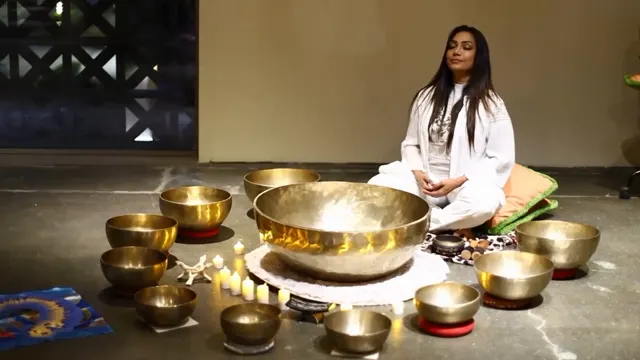
Dr. Smitha likes Pilates for people whose days are loud, because it asks you to slow down and pay attention.
Many of her clients use a short mat session in the evening, as a way of closing the working day rather than adding another hard task to it.
She pairs it with a short home workout without equipment on the other days, so strength and fitness both get their turn.
For women in their 40s and 50s who want to build on this, the guide to strength training for women over 40 is the next step.
Dr. Smitha is a certified personal trainer, not a Pilates instructor.
If you want to learn the full method or use a reformer, a qualified Pilates teacher is the right person, and Cleveland Clinic suggests checking an instructor's training even for online classes.
If the slow breathing is what you enjoy most, the deep rest pages describe the guided rest Dr. Smitha uses for winding down.
Pilates at home is a gentle way in, and nothing on this page promises a change in your weight, health or fitness.
| Practice | Check with your doctor first if you... |
|---|---|
| Exercise | have a heart condition, an injury, or have been inactive for a long time |
Please also speak to your doctor first if you are pregnant, have back pain or have had recent surgery.
Cleveland Clinic advises talking to a doctor before starting Pilates if you are injured or recovering from surgery.
See a doctor or a physiotherapist if back or neck pain gets worse with practice.
If you notice chest pain, breathlessness that is out of proportion or feel light-headed during a session, stop and seek medical advice (Harvard Health).
Yes. Mat Pilates needs only a mat and some floor space.
Start with a few simple moves, go slowly and focus on control.
Yes, if you start gently and build slowly.
Check with your doctor first if you have back pain, an injury or are pregnant.
Two or three times a week is a good start for most beginners, in sessions of ten to twenty minutes.
Keep the same days each week and build up as it becomes routine.
Dr. Smitha's home for training, nourishment, sleep and stress.
A 20-minute bodyweight circuit for a full day.
The next step once the mat feels easy.
A trainer who adjusts your routine from a distance.
If you are in crisis in the UAE, call 999 for the police or 998 for an ambulance.
Dr. Smitha is a coach and wellness consultant, not a therapist or medical doctor, so her work is coaching, not therapy.
Contact
If a calmer kind of training appeals but you are not sure where to begin, ask Dr. Smitha and she will help you plan a gentle start.