Nervous System Regulation
How your nervous system shifts between alert and rest, and how Dr. Smitha helps people who are always on.

Nervous system regulation · Online and in the UAE
For Dr. Smitha Prabhakar, how to regulate nervous system arousal comes down to small daily habits: a longer out-breath, short guided rests, movement and a clear end to work.
Most of the leaders she works with do not need more willpower.
They need a way to come down from high alert that fits into a full calendar.
This guide belongs to her Nervous System Regulation pages, written for people who feel wired at night, tired in the morning and never fully off.

“The power is in the pause.”
Clear decisions start with a calm mind
A regulated nervous system moves easily between alert and rest, instead of staying stuck on alert after the pressure has passed.
Cleveland Clinic describes two branches of the autonomic nervous system: the sympathetic side, which helps you in times of stress or danger, and the parasympathetic side, which handles rest and digest (Cleveland Clinic).
Both are useful. A sharp, alert gear is what gets you through a board meeting.
The trouble starts when the alert gear keeps running at 11 PM, long after the meeting ended.
So the aim is not to feel calm every minute. It is to shorten the time it takes to get back.
When you are always on, you regulate your nervous system by building short, repeated pauses into the working day rather than waiting for a weekend or a holiday.
Dr. Smitha uses three steps with clients.
Catch the early signs before they build: a shallow breath, a tight jaw, a short answer to a simple question, a mind that is still at the office at bedtime.
Noticing sooner means a smaller practice is enough.
Use a short practice of breath, body awareness and rest to step out of the alert gear, between meetings or after a hard call.
Two minutes is often enough to start.
Give the body a longer, deeper rest once a day, lying down with a voice to follow.
Dr. Smitha's clients use The Deep Rest Reset for this: a 27-minute Full Reset and a 10-minute Short Reset.
You do not need to clear your mind or get anything right. Not everyone can sit still and meditate, and that is fine.

These are the nervous system regulation techniques Dr. Smitha gives first, because they fit around real work.
Pick one, repeat it for a week, then add the next.
The NHS suggests breathing gently into the belly, in through the nose and out through the mouth, for at least five minutes, ideally as part of your daily routine (NHS).
A meta-analysis of 223 studies found that slow breathing raised heart rate variability linked to the parasympathetic system, during practice and after it (Laborde and colleagues, 2022).
Dr. Smitha teaches a simple count: in for four, out for six.
Ten minutes after lunch, not only at the weekend.
The US National Center for Complementary and Integrative Health describes relaxation techniques as ways to bring on the relaxation response, with slower breathing and a lower heart rate (NCCIH).
A walk, a stretch or a workout.
The NHS notes that being active will not make stress disappear, but it can ease some of its emotional intensity (NHS).
Shut the laptop, take a short reset, then let the evening begin.
Without a clear end, the day follows you into dinner, and then into bed.
The NHS advises waking at the same time every day, relaxing for at least an hour before bed and keeping screens away just before sleep (NHS).
Dr. Smitha treats guided deep rest as an addition to sleep, never a replacement for it.
| What people often do | What tends to help more | |
|---|---|---|
| After work | Scroll until you fall asleep | A short reset, then the evening |
| Under pressure | Push through on caffeine | Two minutes of slow breathing first |
| Making time to rest | Wait for the holiday | A little recovery every day |
Use this before a hard conversation, after a tense meeting, or when you wake at 3 AM with work on your mind.
In a month-long Stanford trial, five minutes a day of breathing with long, slow exhales improved mood and slowed breathing rate more than the same time spent on mindfulness meditation (Balban and colleagues, 2023).
If 3 AM waking is a pattern for you, the waking up at 3 AM guide looks at it in more detail.
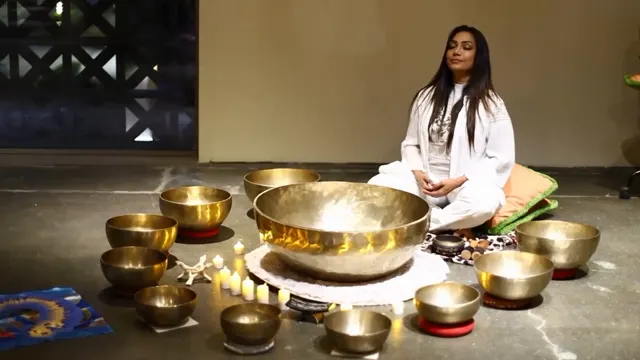
Not all ways to regulate nervous system arousal are equal, and some habits feel like rest while the alert gear keeps running.
Dr. Smitha's view is that regulation is a skill, and like any skill it is built by repetition, not by one big effort.
She sees the same pattern in founders and executives: they are brilliant at pushing through, and that is exactly why they never practise coming down.
Her work is to make the pause small enough to happen on a busy Tuesday.
If you want structured support, nervous system coaching for executives is her one-to-one route.
For the next step, How to Calm and Reset Your Nervous System separates calming down in the moment from resetting over weeks, and Vagus Nerve Exercises looks honestly at what those practices can and cannot do.
| Practice | Check with your doctor first if you... |
|---|---|
| Breathwork | are pregnant, have epilepsy, a heart condition, high or low blood pressure, or a panic disorder |
| Exercise | have a heart condition, an injury, or have been inactive for a long time |
NCCIH notes that relaxation techniques are generally considered safe for healthy people, though a few people report feeling more anxious or losing a sense of control (NCCIH).
If a practice makes you feel worse, stop and speak to a doctor.
These nervous system regulation exercises are wellbeing practices, not medical treatment, and Dr. Smitha does not diagnose anyone.
See a doctor if you feel anxious most days, have panic attacks, chest pain, dizziness or fainting, or if poor sleep goes on for weeks.
A psychologist or psychiatrist can assess anxiety, low mood or trauma and offer treatment. Coaching is support for an anxious, always-on mind, and does not replace that care.
If you have thoughts of harming yourself, contact a doctor or emergency services now. In the UAE, call 999 for the police or 998 for an ambulance.
Give your body regular chances to leave the alert gear: slow breathing with a longer out-breath, a short guided rest, some movement and a clear end to work.
Doing a little every day matters more than doing a lot once.
Dr. Smitha uses three steps: notice the early signs, downshift with a short practice, and recover with a longer guided rest once a day.
Coaching helps people turn those steps into a habit that survives a busy week.
Feel your feet on the floor, then breathe in for four and out for six for about two minutes.
Let your jaw and shoulders soften, and only then decide what to do next.
How your nervous system shifts between alert and rest, and how Dr. Smitha helps people who are always on.
Calm in five minutes, and a reset that builds over weeks.
Gentle practices, and an honest look at the evidence.
What heart rate variability means and how to read your own trend.
If you are in crisis in the UAE, call 999 for the police or 998 for an ambulance.
Dr. Smitha is a coach and wellness consultant, not a therapist or medical doctor, so her work is coaching, not therapy.
Contact
If you would like help turning one of these practices into a daily habit, tell Dr. Smitha what a normal week looks like for you.